Juan
David
Figueroa
Staff Product Designer driving end-to-end design across FinTech, enterprise B2B, and health tech — from 0-to-1 products to platforms across 8 countries. Remote-native, async-ready, and experienced with teams across Argentina, Brazil, the US, Peru, and Spain.
📍 Colombia · UTC−5 · Open to remote worldwide
Projects that
moved the needle
Sole designer for real-time interbank payment infrastructure — adopted by 300+ enterprise clients across 8 countries.
transaction growth YoY
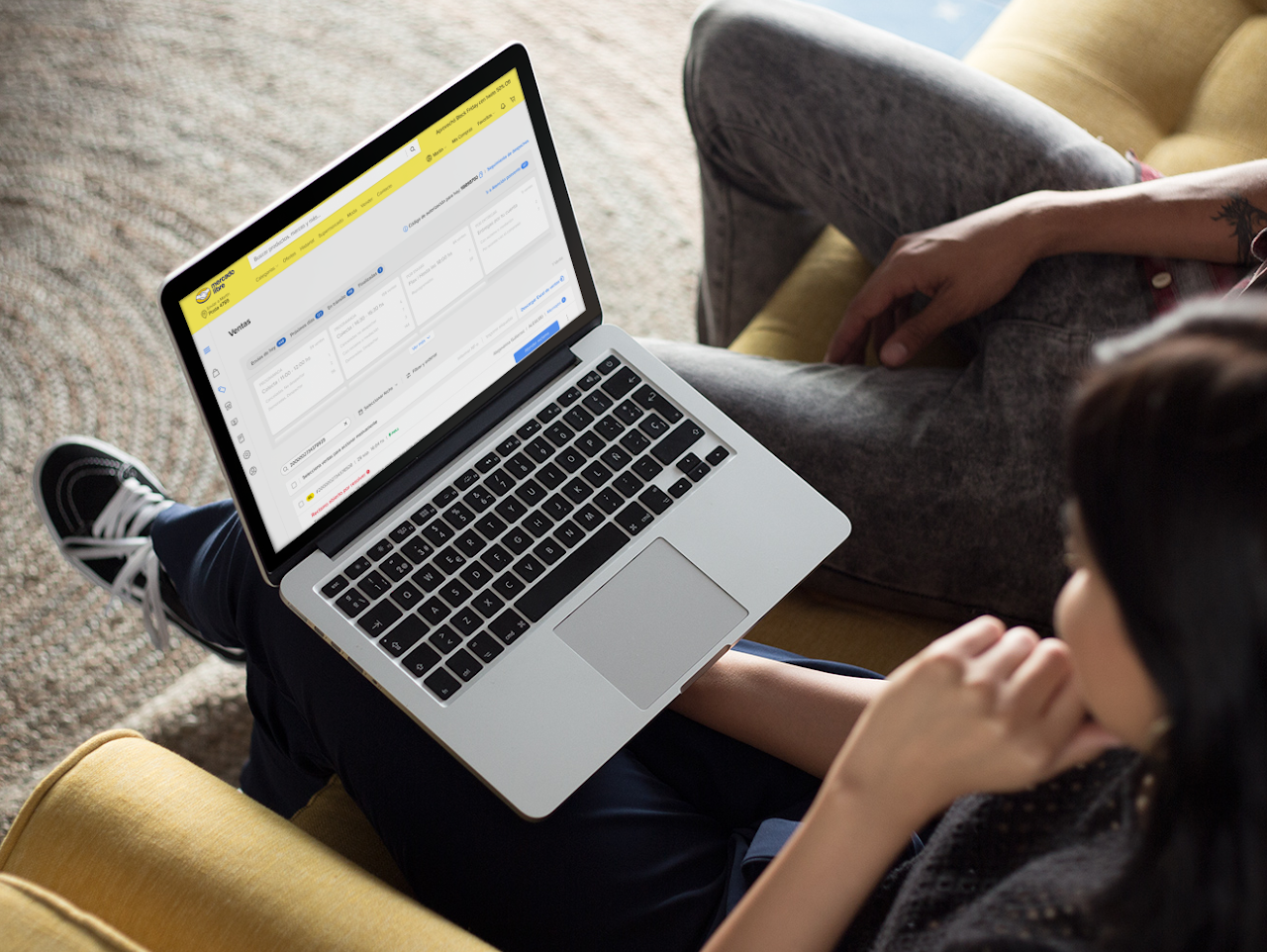
0-to-1 seller product for US & China markets. Sales front redesign across 3 LatAm countries.
component — week one
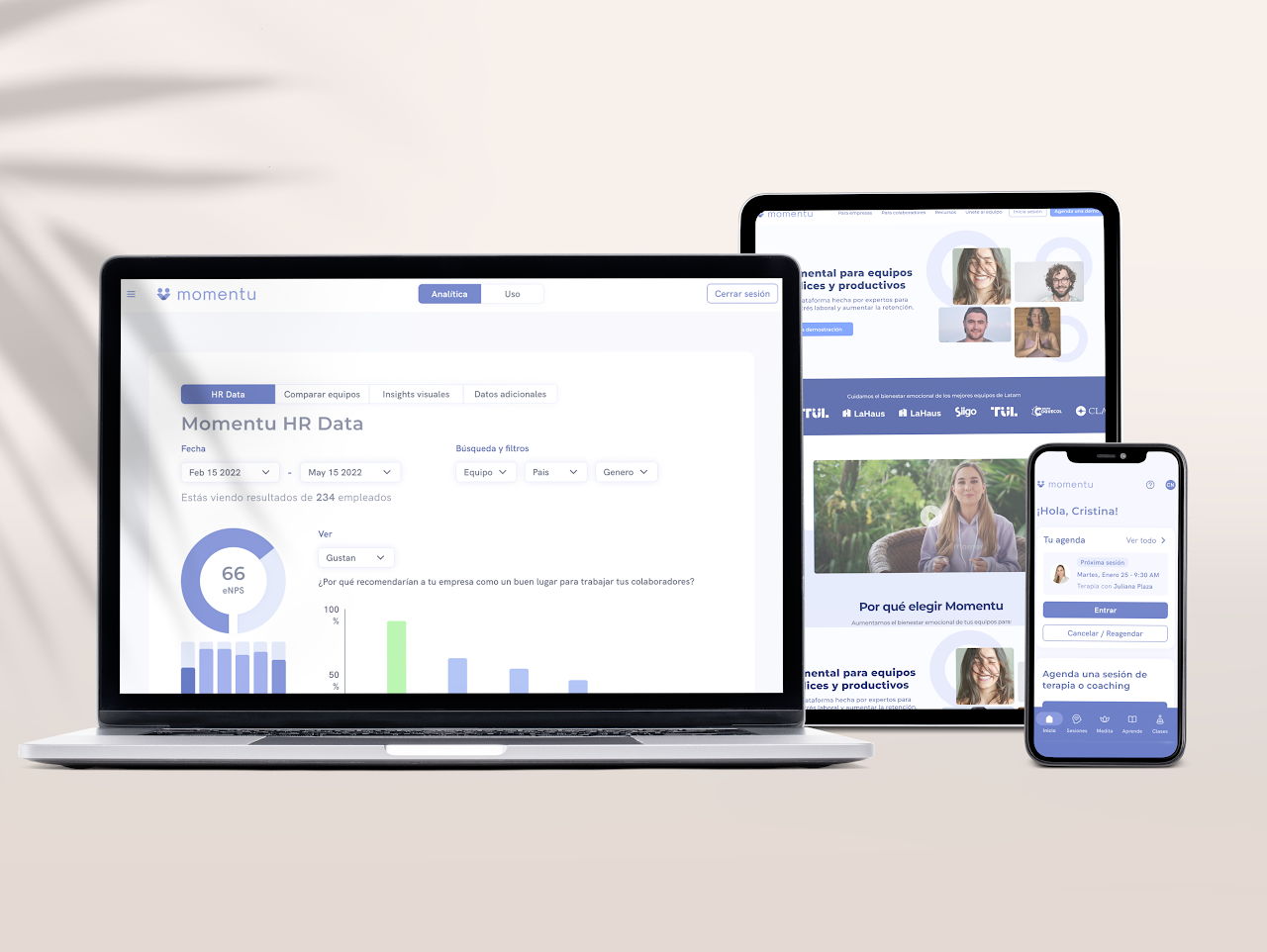
Sole designer — full product from zero in 12 weeks, contributing to YC S22 as Colombia's only startup in batch.
in YC S22 batch
Designing at the
intersection
of craft & strategy
I'm a Staff-level designer with 7+ years bridging complex business problems and human needs. I've built design systems, led research, owned product strategy, and scaled design teams — always staying close to the work itself.
From Y Combinator–backed startups to Latin America's largest tech platforms, I bring the same relentless focus on outcomes that matter.
Awards & milestones
Selected
work
Five projects. Five different contexts. The common thread: design decisions that moved business outcomes — not just pixels.
Designing Colombia's first enterprise Bre-B integration — real-time interbank payments for 300+ corporate clients, as the only designer on a $35M Series B.
A regulatory window of four months. One designer. Zero precedent.
When Colombia's Superintendencia Financiera announced the Bre-B standard, every major fintech scrambled. Cobre had a strategic advantage: 300+ enterprise clients. But the product didn't exist yet.
CFOs and treasury managers had been running payments through legacy portals and Excel sheets for decades. My job was to translate an infrastructure-level protocol into a zero-friction treasury experience — without a team, without prior art, without room for a second launch.
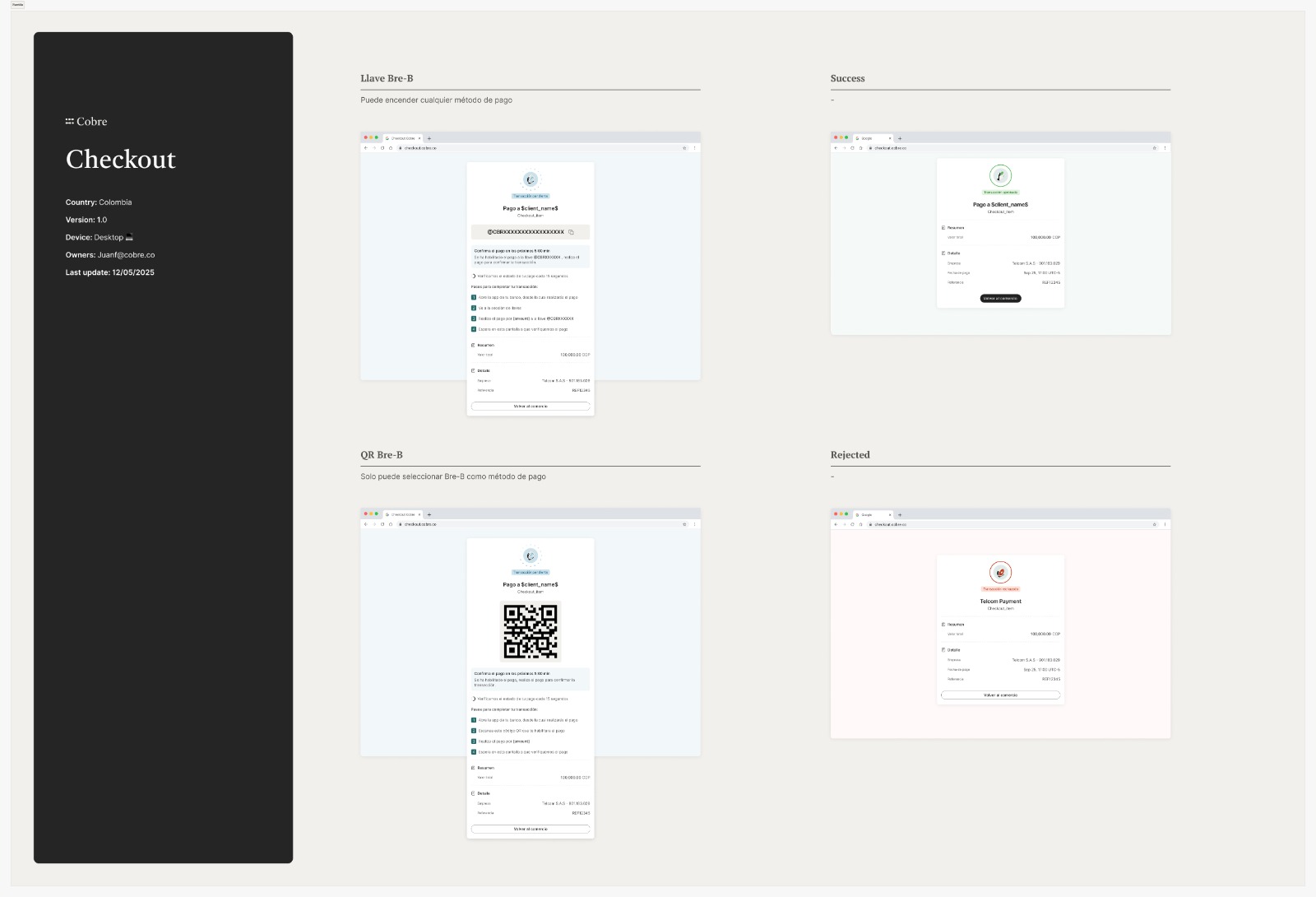
Research first, pixels second.
I embedded myself in 6 enterprise onboarding calls — listening, not designing. Goal: understand how treasury teams think about money movement before touching Figma.
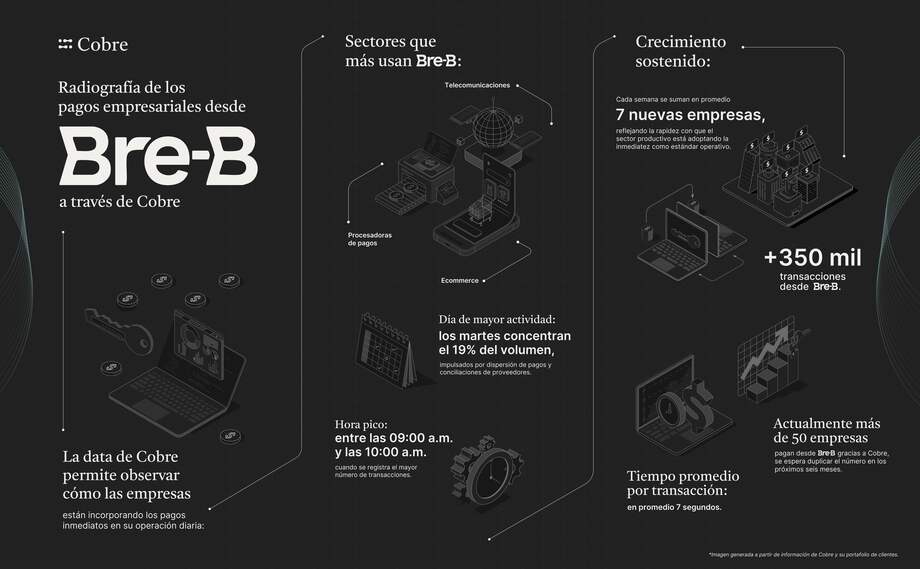
First to market. Six times the revenue.
Two parallel projects at LatAm's largest e-commerce platform: a 0-to-1 virtual locker for international sellers, and a full redesign of the sales front across 3 markets — driving 30%+ adoption in week one and −5% delayed sales.
Designing for sellers who don't share the same mental model of trust.
The virtual locker project started from a hypothesis: thousands of US and Chinese sellers wanted MeLi's 100M+ buyer base, but had no LatAm address for logistics.
In parallel, the sales front was hemorrhaging users. The data pointed somewhere murkier: a mismatch between what sellers expected and what the product assumed they knew.
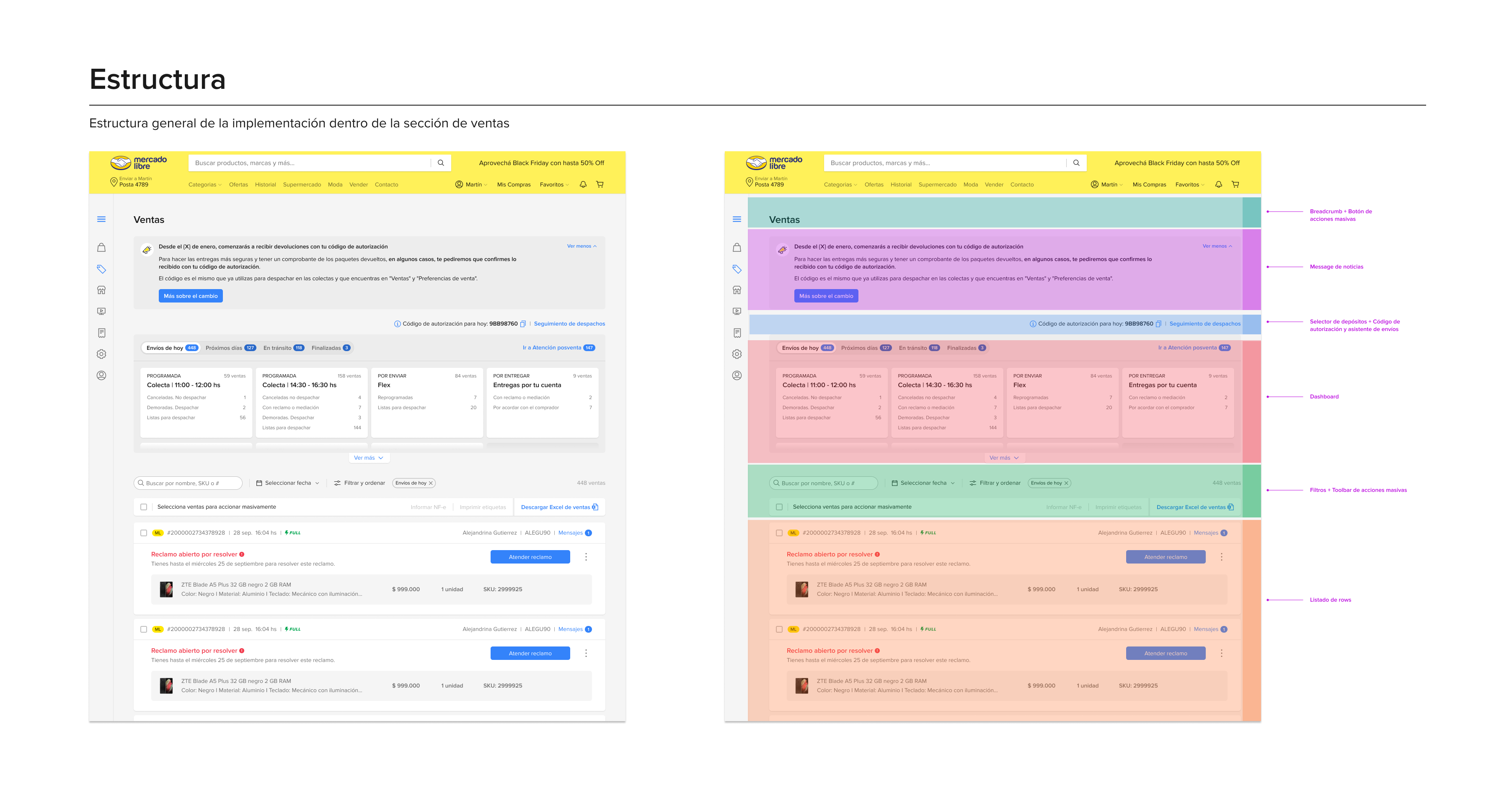
You can't design across cultures from a desk.
I led research including remote interviews with US sellers (Lookback) and sessions with Chinese sellers (via interpreter) — the first time our team had done direct research with that market.
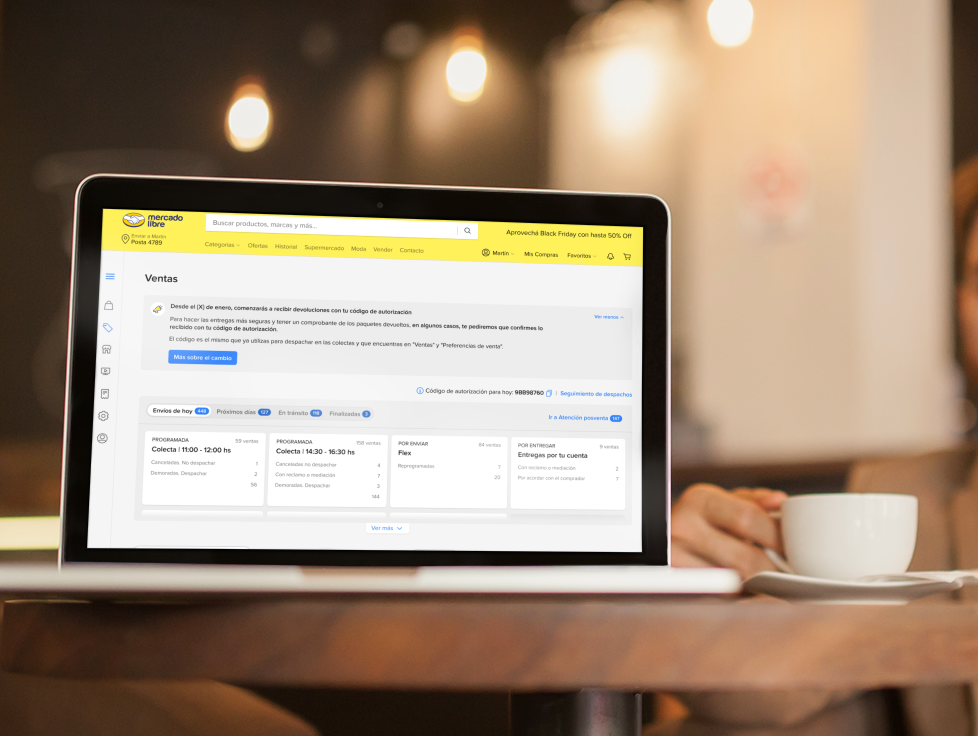
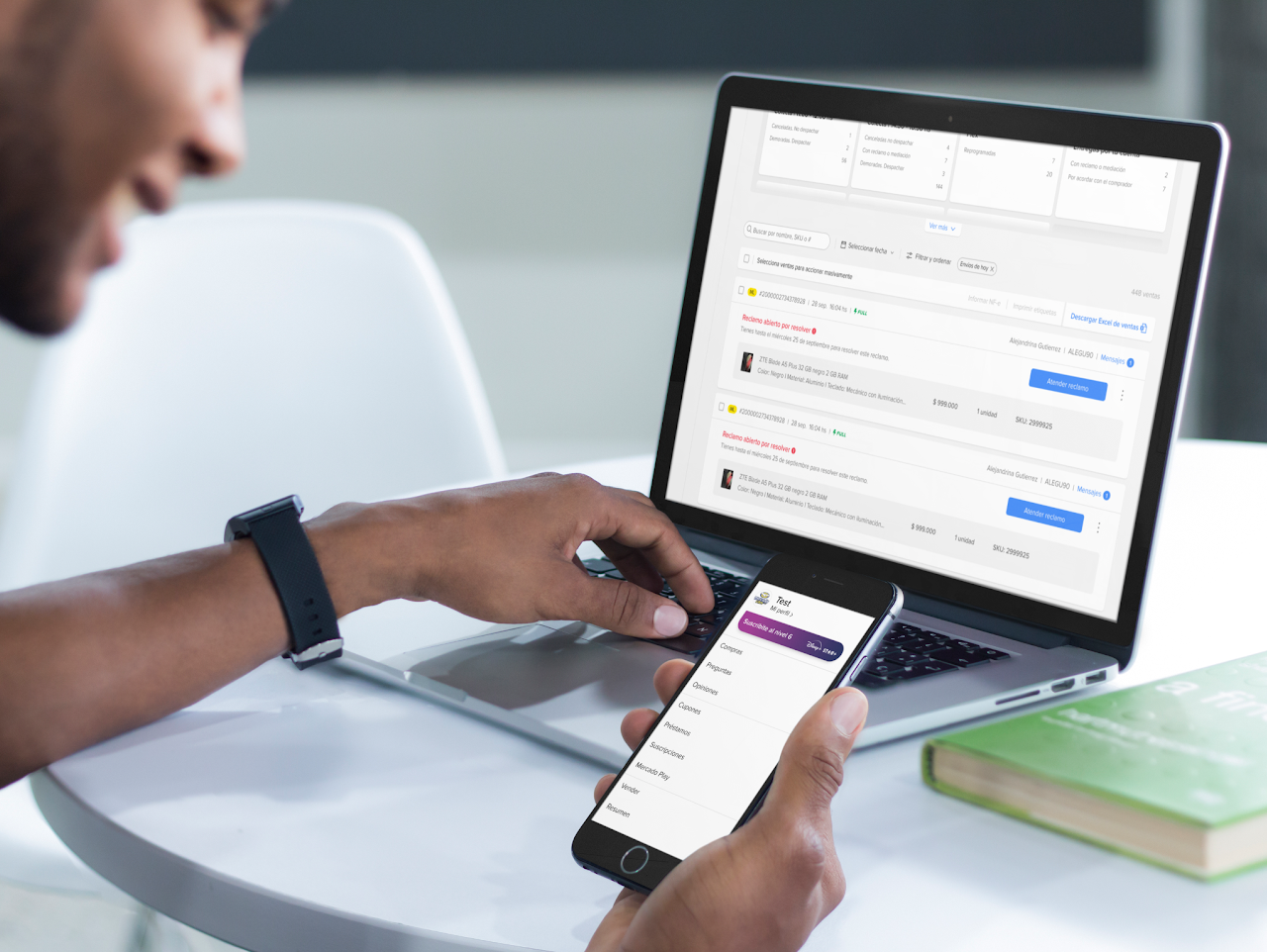
Shipped to production. Real adoption in week one.
Built a MedTech product from zero in 12 weeks — vision, design system, and full UX. The result: Y Combinator Summer 2022, as Colombia's only startup in the batch.
You can't pitch a product that doesn't exist yet.
Momentu connected companies with mental health professionals. Strong concept, real market — but no product. 12 weeks to YC deadline.
We needed something compelling enough to get into the world's most competitive accelerator — from a country that had never sent a startup to Y Combinator.
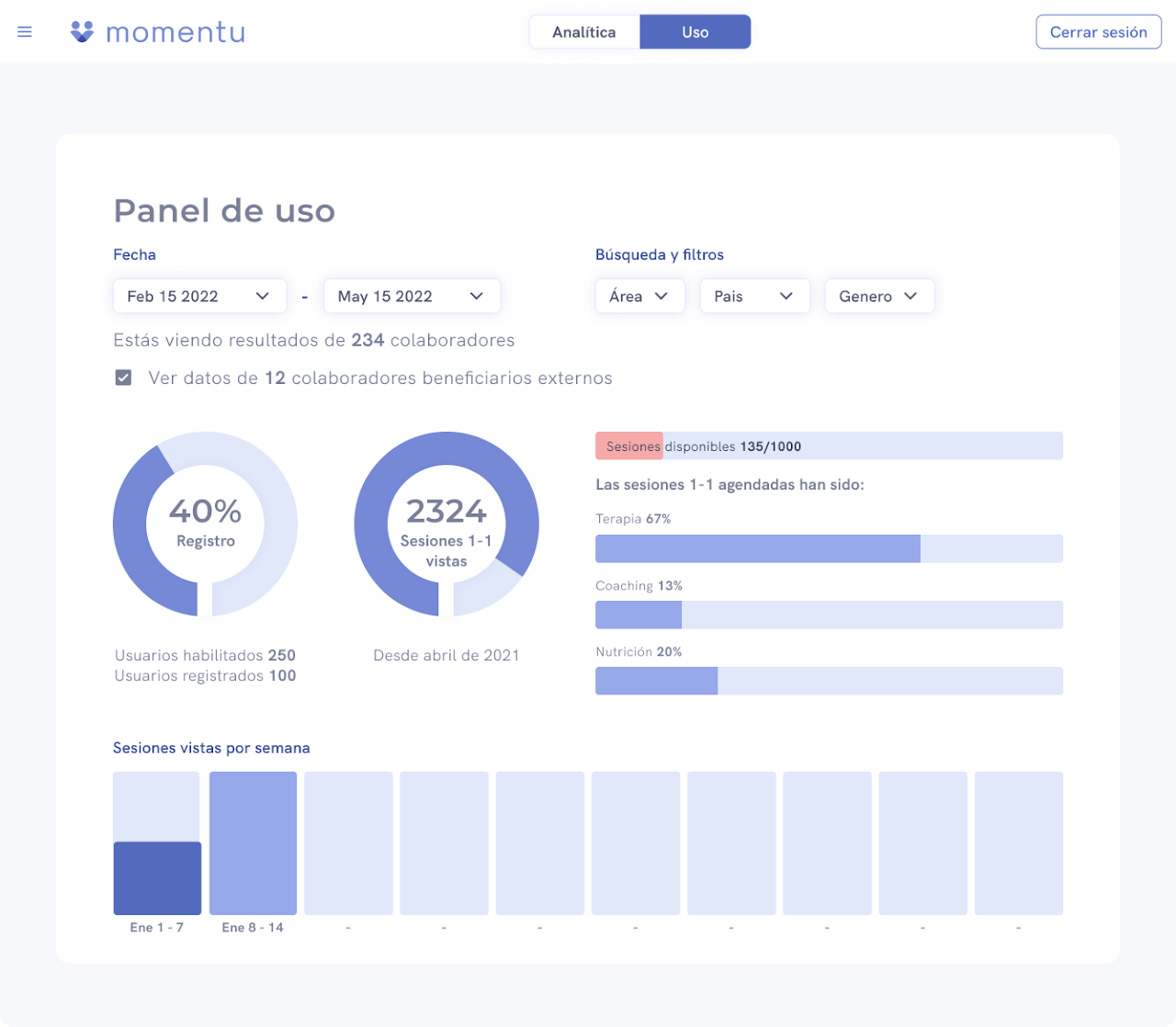
What does YC need to believe?
First question: not "what should the UI look like?" but "what does a YC partner need to see to believe this is fundable?" That reframing changed everything about prioritization.
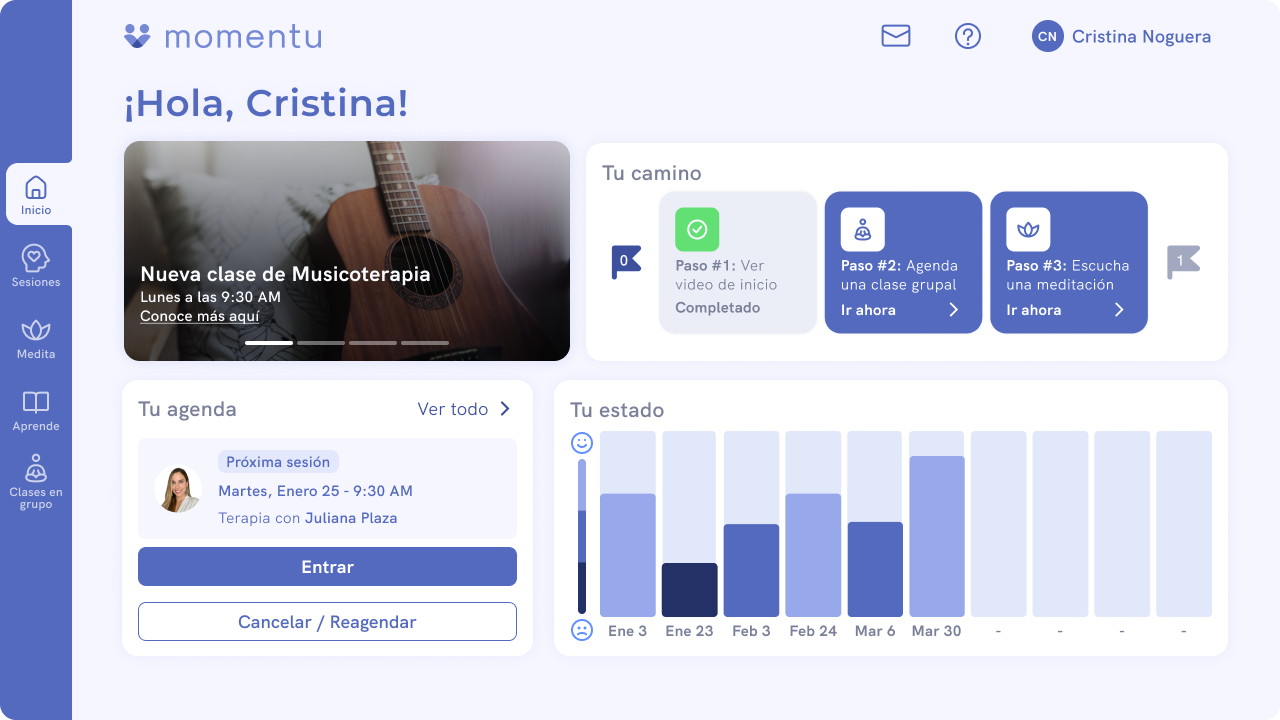
Colombia's only startup in YC S22.
Built Aflore's first design system, scaled the team from 1 to 5, and increased sprint velocity by 27% — making design the accelerator, not the bottleneck.
Every screen looked like it was built by a different company.
After two years of fast growth: dozens of inconsistent UI patterns, no component library, zero documentation. New features took twice as long — designers were reinventing solved problems. Engineers built from inconsistent specs. Research never reached the roadmap.
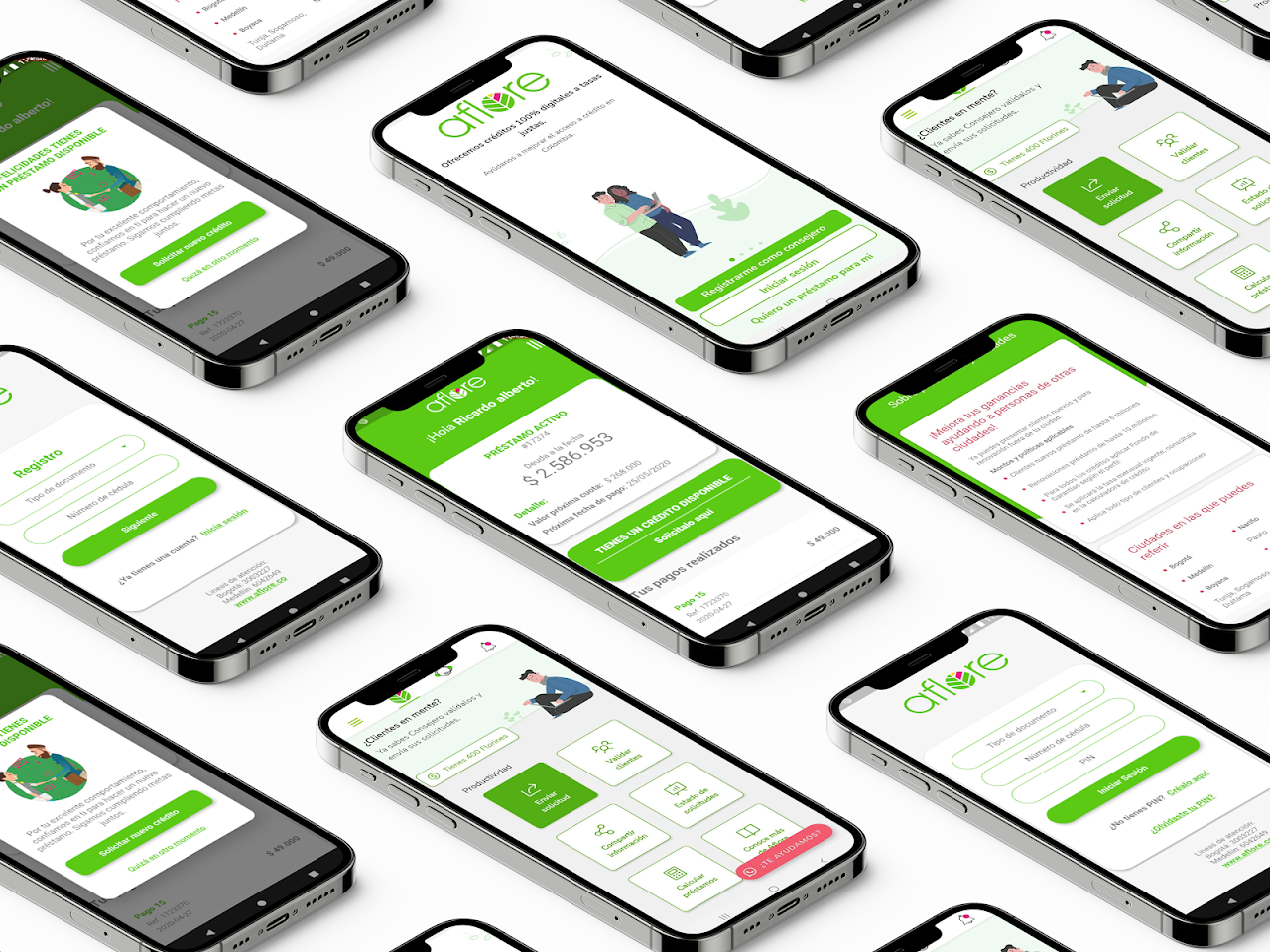
Infrastructure is a product decision.
Hardest part: convincing leadership to pause feature work. I built a business case: 3 weeks of system investment = 2 days saved per feature, per designer, indefinitely.
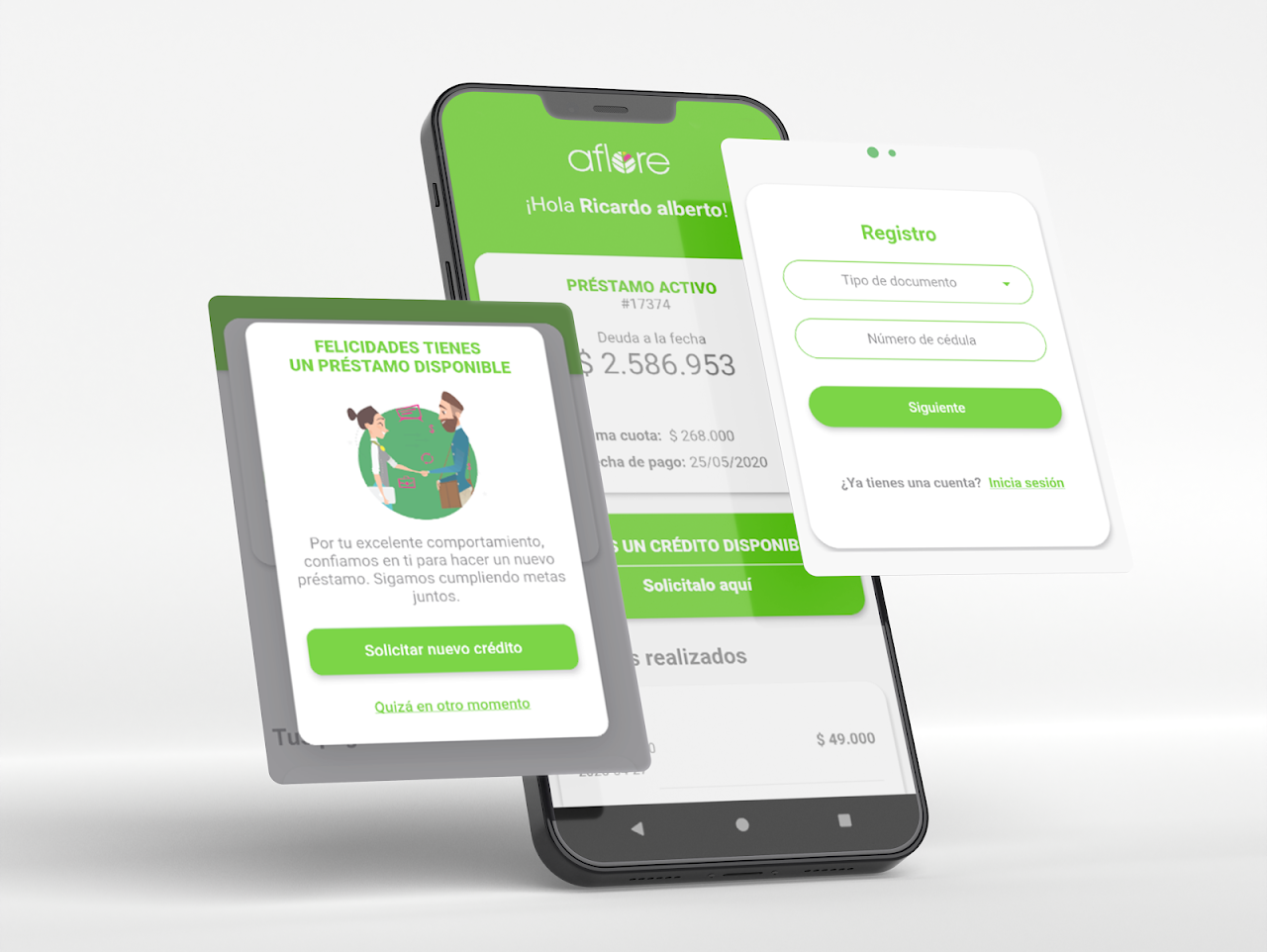
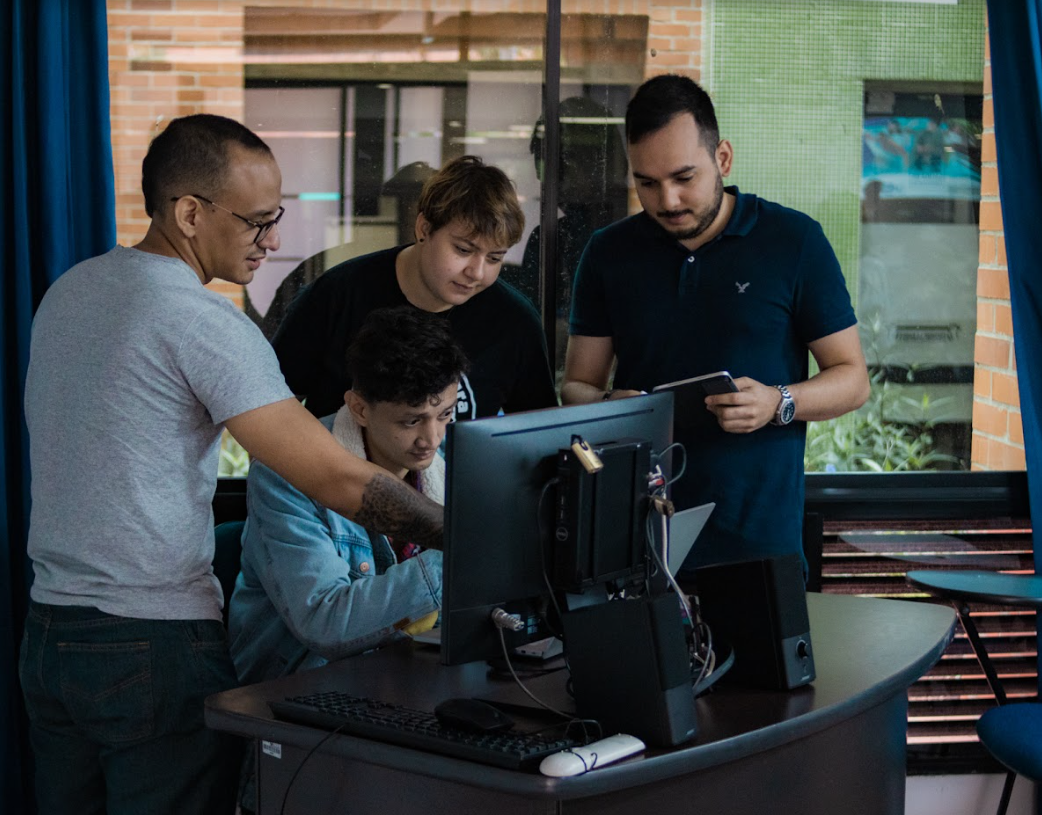
Design stopped being the bottleneck.
A Parkinson's rehabilitation device designed from clinical ethnography to physical prototype. Four international awards across three countries.
Parkinson's patients deserve tools that see them as people, not patients.
Most rehabilitation tools felt clinical, stigmatizing, or unusable for people with tremor. CAPIO was born from a physiotherapy observation: patients responded better to rhythmic auditory cues than to visual instructions.
The concept combined vibrotactile feedback with rhythmic movement guidance to support daily rehabilitation outside clinical settings.
The body before the blueprint.
Every decision started from physical reality: hands with tremor, the emotional weight of a visible device, the needs of caregivers as much as patients.
Four awards. Three countries.
Juan David
Figueroa O.
I design products that move money, improve health, and scale businesses across markets. I work best at the intersection of ambiguity and urgency — 0-to-1 products, regulatory constraints, cross-cultural complexity — where design decisions have real business consequences.
From building Colombia's first enterprise Bre-B integration at Cobre to designing the product that got Momentu into Y Combinator, I bring a practitioner's obsession with craft and a strategist's eye for what actually matters.
I work fully remote and have collaborated asynchronously with cross-functional teams across Argentina, Brazil, the United States, Peru, and Spain — comfortable navigating distributed workflows, time zones, and culturally diverse stakeholders.
- Sole designer responsible for end-to-end design of Colombia's first enterprise Bre-B integration — real-time interbank payment infrastructure adopted by 300+ enterprise clients across Latin America.
- Independently owned design operations previously handled by a 3-person team; delivered critical payment flows and treasury UX contributing to 6× revenue and transaction volume growth year-over-year.
- Led UX research, interaction design, and prototyping for dynamic key payments and instant international transfers across 8 countries (Colombia, Mexico, Chile, Peru, Brazil, Uruguay, Switzerland, Canada) — collaborating remotely with engineering and product teams distributed across Argentina, Brazil, the US, Peru, and Spain.
- Designed and validated end-to-end seller UX for a virtual locker product (shipped to production) targeting US and China markets — zero-to-one initiative requiring deep cross-cultural research into international seller behavior.
- Led redesign of the sales front experience across 3 LatAm markets (Colombia, Argentina, Mexico), improving seller onboarding and adoption through iterative usability testing and analytics-driven design — resulting in 30%+ higher adoption of the new sales component in the first week and a 5% reduction in delayed sales.
- Applied mixed-methods UX research — Amplitude and Hotjar analytics combined with qualitative user testing — to inform product decisions at international scale, working remotely with cross-functional teams across Argentina, Brazil, the US, Peru, and Spain.
- As sole designer, defined product vision, UX strategy, and complete design system — directly contributing to Momentu's acceptance to YC Summer 2022 as Colombia's only startup in the batch.
- Delivered complete UX across web and mobile — research, IA, wireframes, prototyping, and high-fidelity UI — enabling rapid iteration with a lean engineering team in 12 weeks.
- Built Aflore's first company-wide design system in Figma (50+ components), standardizing patterns and documentation across all product surfaces — enabling a 27% increase in sprint points taken per sprint as design delivery stopped being the engineering bottleneck.
- Scaled the design team from 1 to 5 — owned the full hiring process including job scoping, interviews, and onboarding — establishing design as a strategic organizational capability. Designers mentored during this period now work at Mercado Libre, Bancolombia, and Wompi.
- Established mixed-methods research processes transforming raw user data into actionable insights, directly informing roadmap priorities organization-wide.
- Designed Capio end-to-end — human-centered research with patients and medical professionals through to physical prototype — winning 4 international awards across 3 countries.
Every project arrives as a
set of contradictions.
My job is to find the design that survives them. Not by following a process — but by reading the shape of the problem before reaching for a solution.
What follows is how I navigate from ambiguity to outcomes that actually move the business.
From problem to
proven solution
Each phase has a clear purpose, defined outputs, and specific moments where AI compresses time without compressing quality.
Two forces that run across every cycle
end at launch
After shipping, I close the loop with the business — converting behavior data into the next cycle's priorities.
a phase
The growth funnel isn't a step — it's a filter applied to every design decision. In Phase 2 I identify where in the funnel the problem lives. In Phase 3 I design to move that specific metric. In the loop, I measure if it moved.
This system,
applied
Two projects where this way of working produced outcomes that went beyond design.
Redefined the problem from "build a payment UI" to "design the trust infrastructure for 300+ enterprise CFOs." That reframe changed every decision downstream.
Shipped a 0-to-1 seller product for US & China markets in compressed timelines using AI-assisted prototyping — validating 3 directions in the time it normally takes to build one.